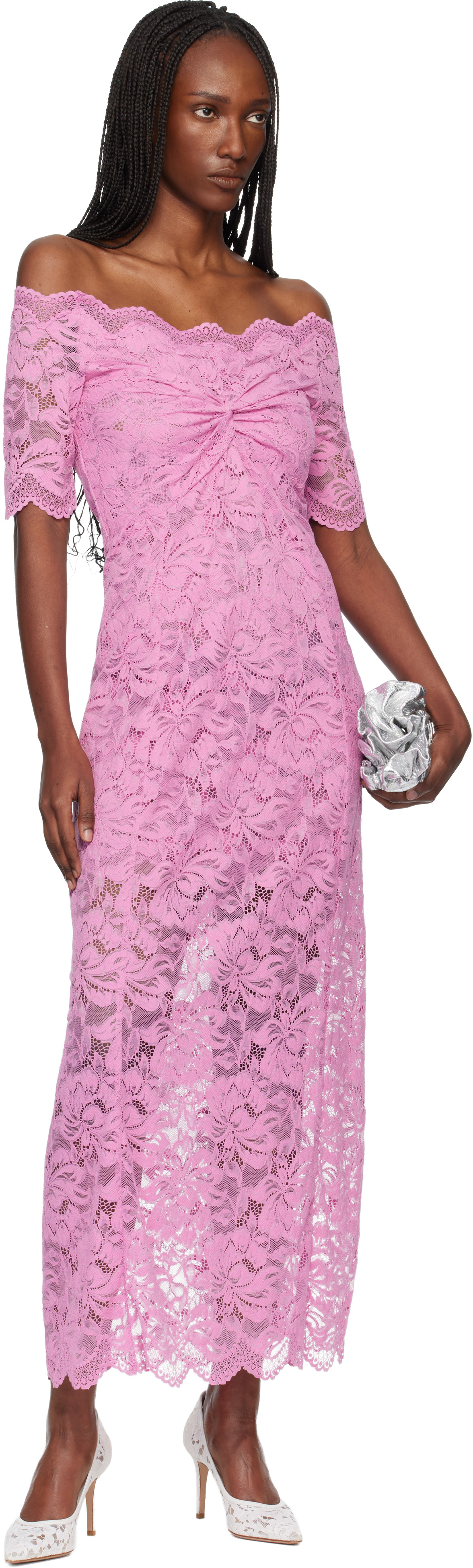
Strappy Plunge Detail Maxi Dress In Burgundy Disc Sequin $11.00 (81% OFF) $58.00 Colour:red dress Details Perfect for nights out, doll
Use basics from your closet as a starting point, then bring the characters to life with creative toucheslike a spiky orange headpiece for Anxiety made from pipe cleaners and feathers, and a laid-back purple wig to channel Ennui's effortlessly bored vibe
Director Robert Leacock shadows Turlington as she jets between Milan, Paris and New York in effortlessly groomed suiting, sharp silk blouses and leather trench coats

From around 1828 until 1849, the federal government operationalized removal policies against Indigenous peoples.[79] The US military forcibly removed Indigenous peoples from their land,[80] utilizing sexual assault and rape,[81] starvation,[82] hypothermia,[83] massacres,[84] and other violent means to decimate Indigenous communities[85] and allow settlers to occupy Indigenous land.[86] The US killed tens of thousands of Indigenous peoples during the removal era.[87] Starting around 1850, the US operationalized the reservation system, which continues today.[88] The US systematically interned Indigenous peoples on reservationssmaller areas of land, often land undesirable to settlers.[89] Indigenous peoples who were interned on reservations were denied their traditional ways of life and forced to be dependent on the US for food, water, and health care, of which the US often deprived them, resulting in illness and death.[90] During this era, the US continued to slaughter entire Indigenous communities.[91] From 1887 until 1933, the US used boarding schools and land allotment policies to forcibly assimilate Indigenous communities.[92] Hundreds of thousands of children were systematically kidnapped and removed from their homes and communities, and forced into assimilation schools.[93] In these schools they endured forced labor;[94] were subjected to sexual, physical, and psychological abuse;[95] starvation;[96] and death.[97] The stated intent of these policies was to kill the Indian, save the man.[98] Similar abuse and forced assimilation continued through the 20th century with the Indian Adoption Project of 195867, which incentivized the adoption of Indigenous children by non-Indigenous families.[99] The US child welfare system still disproportionately investigates and removes Indigenous children from their families.[100] In 1890, the US recorded a 95 percent decrease in the population of Indigenous peoples from 1491.[101] The amount of land held and governed by Indigenous peoples also dropped from 138 million acres in 1887 to 48 million in 1934.[102] This drop is largely attributed to the allotment program, which divided Indigenous land and allowed for parts of it to be auctioned off.[103] The allotment policies allowed the US to efficiently gain control of lands and resources, making massacres less common as a tactic to seize territory.[104] In 1945, the former director of Japanese internment camps during World War II, Dillion Meyer, was appointed the commissioner of Indian affairs.[105] Meyer strongly advocated for defunding reservations and selling reservation land to non-Indigenous peoples.[106] The US began terminating the limited legal protections Indigenous peoples maintained and selling reservation land.[107] The US used the Indian Relocation Act of 1956 to remove Indigenous peoples, opening reservation land for settlement

Experiment with different veggies like bell peppers, sugar snap peas to add more color and texture
If you go this route, consider selecting different styles you love in a variety of price ranges