Average milk levels in mature milk are 200 to 700 pmol/L (270 to 950 ng/L) during the first 28 weeks postpartum in healthy, lactating women with known or presumed adequate vitamin B 12 status and not taking a supplement.[27,28,42-45] Levels are highest during the first 4 weeks postpartum and gradually decrease thereafter.[25,28,29,42-47] Hindmilk levels are 20% to 30% higher than foremilk.[29] In populations with a high prevalence of vitamin B 12 deficiency or insufficient dietary vitamin B 12 intake, reported median or average milk levels are 120 to 160 pmol/L (160 to 220 ng/L) at 6 months postpartum.[30,46] In one study of 210 lactating women from different regions of Cameroon, rates of maternal vitamin B 12 deficiency were 15% to 25% and median milk levels were between 47 and 236 pmol/L (64 and 320 ng/L)
Because purity and consistency vary widely from one supplier to the next, its worth sourcing your BPC-157 from a provider that offers batch-tested, research-grade material with verified Certificates of Analysis, like the options available here at this link on peptidescostarica.net
If youve spent any time around teenagers, it might seem like they can deal with just about anything crappy diets, late nights, emotional stress, and constant...
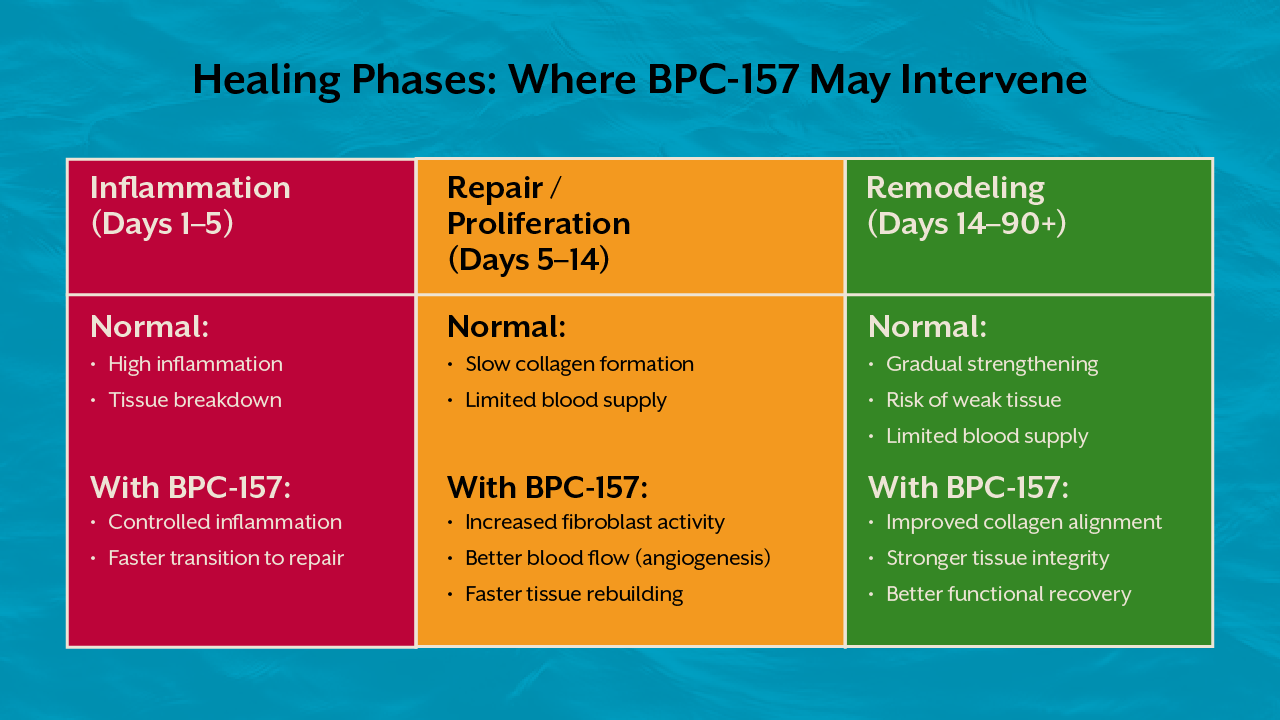
This vascular expansion delivers several functional advantages: Enhanced nutrient transport to injured areas Improved oxygen availability for cellular repair More efficient removal of metabolic waste products Research in musculoskeletal injury models demonstrates that specific peptides accelerate capillary development and support microvascular restoration in damaged tissues
Reports describe clearer cognition and steadier mood regulation, showing its reach goes well beyond injury recovery
Form : The BPC-157 is in the Arginate/Arginate salt form, which is commonly used in oral peptide preparations to improve stability in the digestive tract